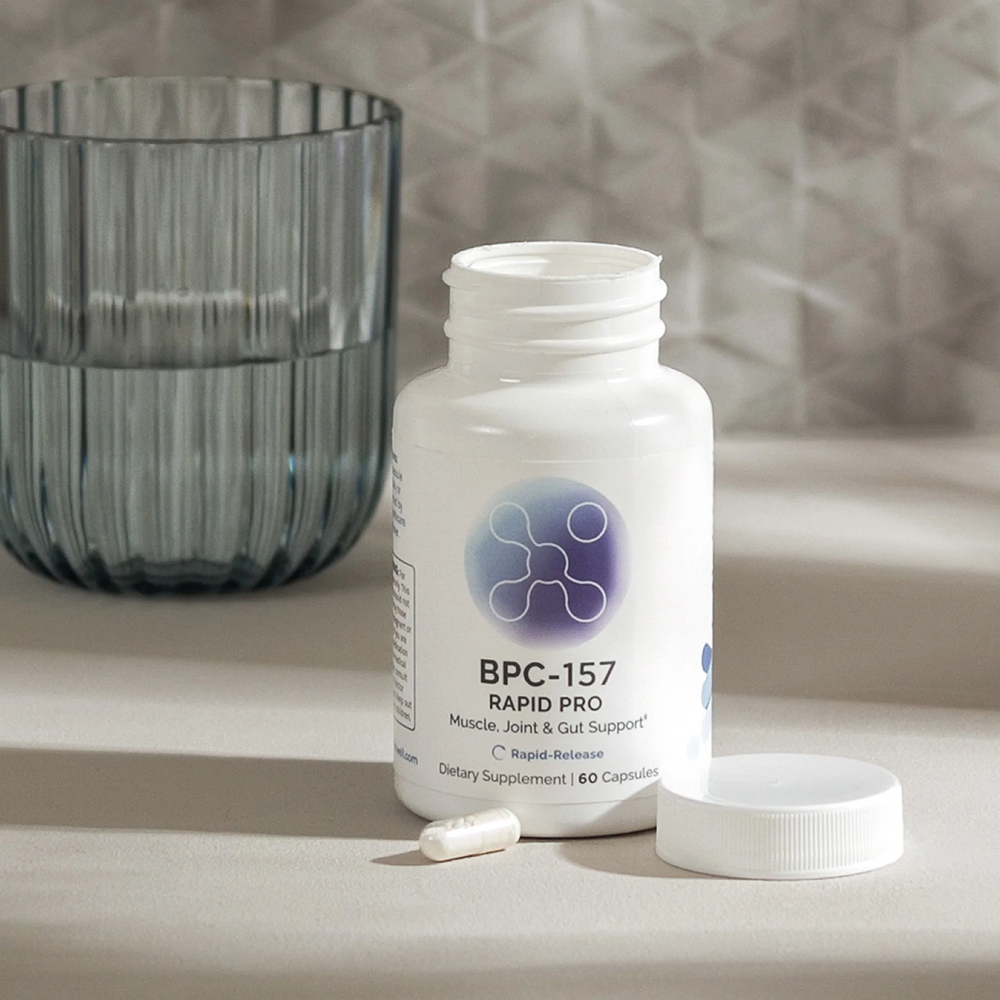
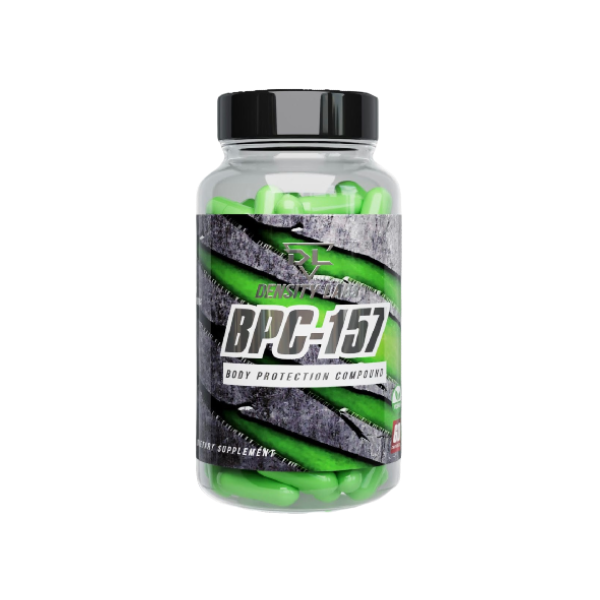
While experiences vary, the most commonly discussed side effects include injection site irritation, headaches, nausea, fatigue, dizziness, and temporary digestive discomfort

Several surgical options are available: ablation of the ulcerative lesions in the bladder, resection of ilioinguinal and iliohypogastric nerves, reconstructive surgery, and cystectomy.11 In a review of 450 patients with severe interstitial cystitis who had undergone an operation, surgery was associated with a complication rate of 26.5% with an overall mortality of 1.3%.12 History of BPC-157 In 1993, Predrag Sikiri, MD, PhD, of Croatia isolated the peptide Body Protective Compound 157 (BPC-157) from human gastric juice.13 In animal studies, BPC-157 has been shown to have many restorative properties.14 It can help with repairing tendons, ligaments, muscles, nerves, bone fractures, teeth, and corneas and promote recovery from traumatic brain injury.15-25 BPC-157 has been shown to reduce inflammation in different animal models.26,27 The pharmacokinetics, excretion, metabolism, and distribution profiles of BPC-157 were performed in rats and in beagle dogs

Dihexa significantly decreased levels of pro-inflammatory cytokines including interleukin-1 (IL-1) and tumor necrosis factor- (TNF-), both implicated in synaptic dysfunction and neuronal death in Alzheimer's disease
As a result, 5-Amino-1MQ has become an important research tool for studying metabolic physiology, adipocyte biology, and the cellular mechanisms involved in maintaining energy homeostasis
When you add 1.5 mL of bac water to the 15 mg vial, every 0.1 mL (or 10 units on a standard U-100 insulin syringe) of the solution will contain exactly 1 mg of Retatrutide
The preservative in bacteriostatic water slows bacterial growth but does not stop it indefinitely, and the peptide itself gradually degrades in solution